Reflections on The Biggest Month in Sports: A Masterclass in Modern Storytelling
As February comes to a close, it is clear this month has been among the most action packed on the global sports calendar in years. In the span of just a few weeks, the Super Bowl, NBA All Star Weekend, and the Milano Cortina Winter Olympics all commanded global attention.
For fans, this was wall to wall entertainment. For communicators and marketers, it’s something even more valuable: a real time laboratory demonstrating what powerful, multi platform storytelling looks like at scale.


Super Bowl: From One Day Spectacle to Serialized Storytelling
While the Super Bowl has long been advertising’s biggest stage, the playbook is evolving. What once was a platform for a singular moment — a debut during the game — has become an opportunity for serialized multi-platform storytelling. Brands are now rolling out teasers, multi part narratives, influencer collabs, and behind the scenes drops beginning weeks before kickoff that reach their apex at the game, and trail with days of coverage to follow. Even Bad Bunny’s halftime show was overlaid with partnerships, easter eggs, and storytelling that lasts long after the 15-minute set and creates multiple avenues to tell what previously was a straightforward story.
The goal of these efforts is simple: extend the runway, deepen engagement, and turn a single commercial or moment into a multi chapter story that meets audiences where they are.
NBA All Star: A Laboratory for Creative Integrations
The NBA has always been a leader in cultural relevance and experimentation, and NBA All Star remains one of the most creative properties in sports.
The modern era of sponsor integrations arguably started in 2011, when Blake Griffin jumped over the hood of a Kia Optima to win the Slam Dunk Contest — a moment that instantly changed how brands and leagues think about synergy, theatrics, and value creation.
Fifteen years later, All Star Weekend serves as a test kitchen for some of the some of the most innovative and creative marketers in the industry. Beginning with the Ruffles 4-point line in the celebrity game, to the sponsor-led initiatives during All-Star Saturday night All-Star weekend continues to be a masterclass in how brands can meaningfully become part of the experience. However, where the league really excels is not really what you see on TV, the NBA Crossover event (in my day it was called NBA Jam Session) which was held at the convention center is a hands-on experiential playground with wall-to-wall brand activations that truly engage where it matters most, directly with consumers and fans.
The Olympics: The Ultimate Stage for Human Driven Narratives
No event delivers emotional storytelling like the Olympics. The Milano Cortina Games again have shined a light on the personal journeys behind the athletes from Maxim Naumov to Lindsey Vonn — perseverance, identity, sacrifice, and national pride.
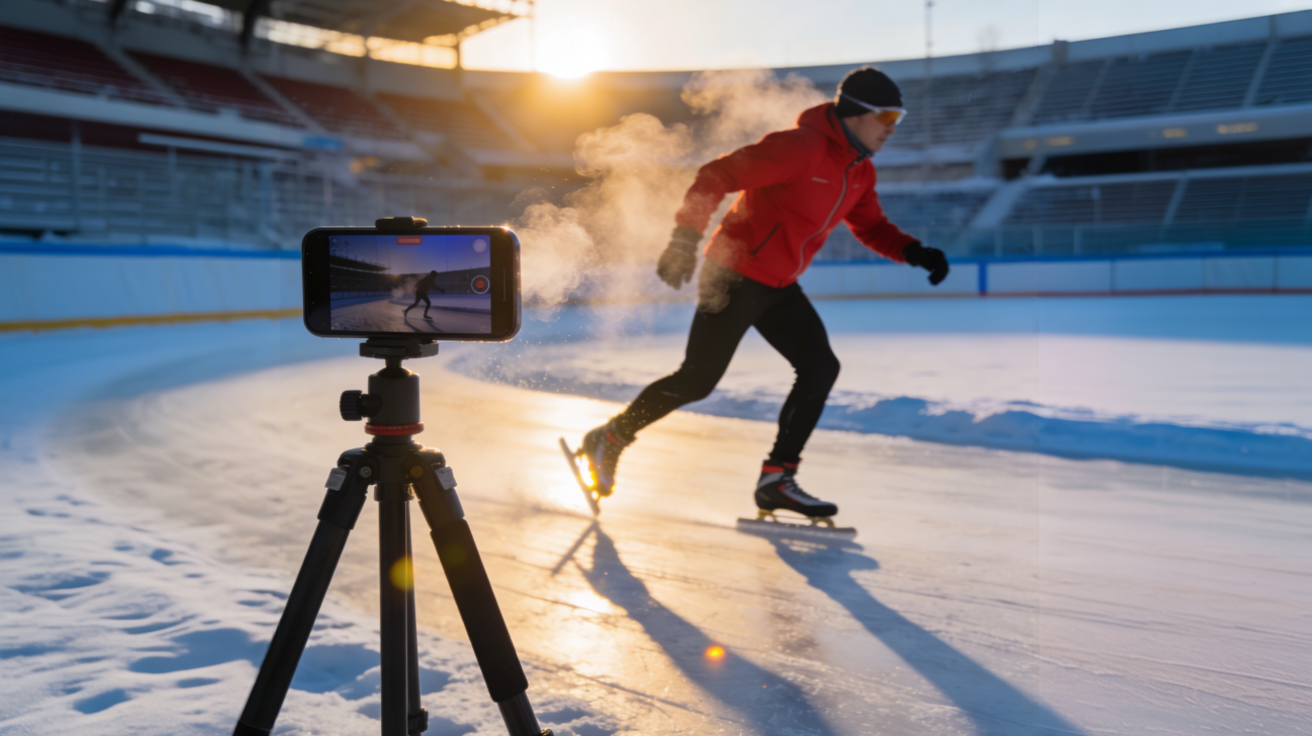
But 2026 adds a new dimension: athletes are now their own media companies. With platforms at their fingertips and growing comfort sharing their stories directly, they’ll engage fans through behind the scenes training content, real time reactions, personal reflections, and creator style storytelling.
Brands and broadcasters are no longer the sole narrative gatekeepers. Athletes’ authenticity — and their control over how their stories are told — will be what deepens connections in the most meaningful ways.
A New Generation, A New Consumption Model
A clear throughline across these events is the rapid shift in how younger audiences consume sports — a trend underscored by a recent National Research Group report. Gen Z and Gen Alpha aren’t passively watching; they’re curating, clipping, remixing, and redistributing moments across TikTok, Instagram, and YouTube.
They also expect a deeper, more personal look at the athletes and performers they follow — from lifestyle and cultural viewpoints to training routines and everyday habits. What once lived in a weekly “Celebs, They’re Just Like Us” column is now an always on algorithmic feed delivered to fans who might not even know what a bobsled is.
And this shift is already reshaping how leagues, teams, and brands build relevance and connect with modern audiences.
Why February 2026 Matters for Communicators and Marketers
A month like February isn’t just busy — it’s instructive. When the cultural calendar delivers this many high impact moments in rapid succession, brands shouldn’t treat them as isolated opportunities. They should think about how to build momentum across them:
• Build layered storytelling that unfolds across events
Instead of showing up once and disappearing, think about how a narrative can evolve from the Super Bowl to All Star Weekend to the Olympics. Each moment becomes a chapter — not a reset.
• Use the spotlight to shift or expand the narrative
When attention spikes, so does the opportunity to highlight the parts of sports we rarely see: the culture behind the athletes, the science, the preparation, the unexpected human moments. These windows let brands draw focus to stories that don’t usually get airtime.
• Look for organic opportunities amid all the paid noise
In a month where advertising dominates headlines, organic storytelling can cut through — real time content, creator driven moments, behind the scenes access, athlete led narratives. These are the threads that feel native to fan behavior and add dimension beyond the big paid placements.
• Meet fans where they actually are
Brands that understand how to engage younger audiences on their native platforms will win the marketing effort.
The on-the-field action this month will capture attention. The stories built around it will shape culture. As these moments unfold, the brands that win will be the ones that show up with intention — with narratives that move people and strategies that create real momentum. We are here to make sure your next big moment does exactly that: deliver for the business while sparking the deeper engagement every brand is chasing.
Jon Hammond is Principal and Head of Media, Sports, Entertainment, and Technology at Sloane. He leads the firm’s cultural strategy offering, advising clients on how to harness storytelling, influence, and innovation to drive growth and deepen engagement.
Interested in learning more about sports communications? Connect with us today.
Get in Touch